Roadmap
TRESP Tripura Gomati: Empowering Grassroots Through Incredible Economic Success
AGARTALA — In a significant boost to rural entrepreneurship, the Tripura Rural Economic Growth and Service Delivery Project (TRESP) is orchestrating a socio-economic shift in the Gomati District. Implemented by the Tribal Welfare Department, Government of Tripura, the initiative is successfully transitioning subsistence farmers into organized enterprise owners through a robust, community-led model.
A Strategic Blueprint for Diversified Growth
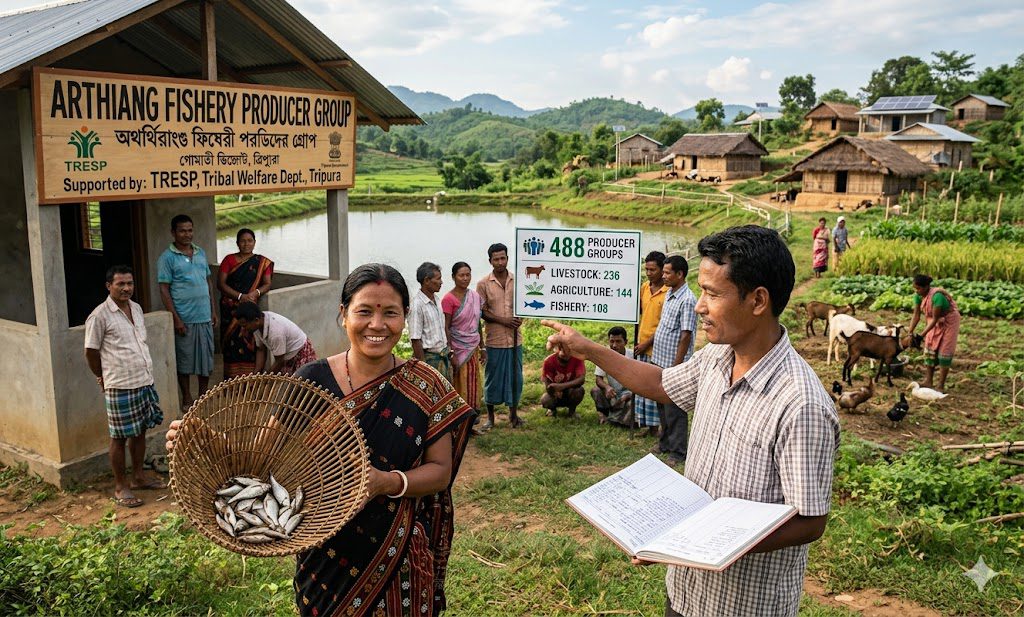
The project’s success is rooted in its rapid institutional scaling. To date, Gomati has seen the formation of 488 Producer Groups (PGs), strategically spread across three vital sectors to ensure a resilient and diversified local economy:
- Livestock: 236 Groups
- Agriculture: 144 Groups
- Fishery: 108 Groups
By organizing individual producers into formal collectives, TRESP is providing tribal communities with the bargaining power and technical resources previously reserved for large-scale commercial entities.
Financial Infusion: Moving from Formation to Enterprise
To bridge the gap between “group formation” and “active business,” the Tribal Welfare Department has deployed a multi-tiered financial support system. The momentum is backed by substantial capital injections:
- Establishment Assistance: 349 PGs have received ₹50,000 each to set up basic operations.
- Working Capital: 308 PGs have been empowered with ₹6 lakh per group, providing the necessary liquidity to scale production and manage supply chains.
Currently, 211 PGs are fully activated and engaged in income-generating activities. This includes 84 units in livestock, 76 in fisheries, and 51 in agriculture, signaling a steady shift toward long-term economic productivity.
Also read: Sathankulam Custodial Murder: 9 Policemen Sentenced to Death by Madurai Court
Scaling Up: Model Cluster Federations
The project is not just looking at micro-enterprises but also at higher-level market integration. Three Model Cluster Level Federations (CLFs) have been identified in the Killa, Rupaichari, and Twidu RD Blocks.
Each federation has been granted ₹15 lakh under CMTC funds. These CLFs act as specialized hubs for:
- Aggregation: Bulk handling of produce to attract larger buyers.
- Market Linkage: Connecting rural goods to urban and national markets.
- Sustainable Promotion: Ensuring the longevity of tribal enterprises through professional management.
Success Spotlight: The Arthiang Fishery PG
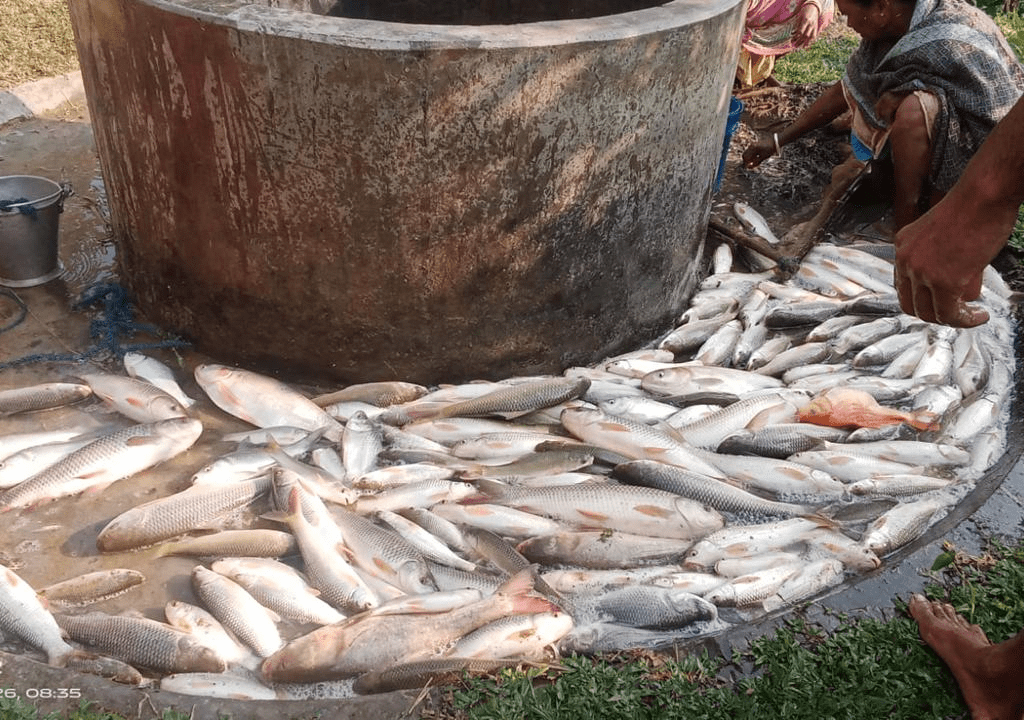
The impact of this intervention is best illustrated by the Arthiang Fishery Producer Group in the Ompi Block. By leveraging TRESP’s support for fish nursery development and polyculture farming, the group has generated an impressive ₹13,28,800 in revenue.
“TRESP in Gomati District is progressing on a high-growth path. We are witnessing a transformation where rural livelihoods are no longer just about survival, but about building a resilient, self-sustaining community economy,” stated a senior official from the Tribal Welfare Department.
As TRESP continues its upward trajectory, the Gomati model serves as a promising case study for tribal development and rural economic resurgence in Northeast India.
Follow Us: https://youtube.com/@thgn_2026?si=K4fHbRCyRj553fXj