
Table of Contents
Child Mobile Addiction 2026: The Alarming Rise of Digital Amnesia
In the quiet suburbs of Hyderabad, 8-year-old Arjun was a “perfect” child. He didn’t throw tantrums in grocery stores, he didn’t interrupt his parents’ Zoom calls, and he never complained about being bored.
All it took was a 6-inch glowing rectangle.

Child Mobile Addiction 2026To his parents, the smartphone was a “digital nanny”—a tool that bought them peace in a high-speed world. But by the summer of 2026, they noticed something chilling. Even in his deepest sleep, Arjun’s right index finger would twitch, rhythmically swiping upward against his bedsheets.
He was scrolling in his dreams.
The Dopamine Debt
Arjun wasn’t just “playing games”; his brain was trapped in a Dopamine Loop. Every 30-second video and every colorful “level up” released a hit of dopamine, the brain’s reward chemical.

Child Mobile Addiction 2026However, the human brain is like a sponge. When it is flooded with digital dopamine for hours, it loses the ability to enjoy real life. By age 9, Arjun began to experience:
- Digital Amnesia: He could remember a YouTube gamer’s entire inventory but couldn’t recall what his teacher said ten minutes ago.
- The “Vivid Rage”: If the Wi-Fi lagged or the battery died, Arjun didn’t just get annoyed—he experienced a physical “withdrawal” similar to a chemical addiction, leading to unexplained outbursts of violence.
The 2026 Reality: The “Sedentary Athlete”
Arjun’s pediatrician called it the “Efficiency-Atrophy Paradox.” Technology made Arjun fast at navigating apps, but his “executive function”—the part of the brain responsible for patience and long-term thinking—was atrophying.
“We are raising children who are digitally brilliant but emotionally fragile,” the doctor warned. “They can conquer virtual worlds but can’t handle five minutes of real-world boredom.”
Also read: The Silent Alarm: Why Your Heart is Breaking in Your 30s
The Turning Point: The “Two-Week Reset”
The intervention wasn’t a lecture; it was a Digital Blackout. Arjun’s parents moved all devices to a locked charging station at 7:00 PM.
The first three days were a nightmare. Arjun was restless, irritable, and complained that the house felt “too quiet.” But by day ten, something miraculous happened. Arjun picked up a dusty box of LEGOs. He started noticing the birds in the balcony. He started asking questions again.
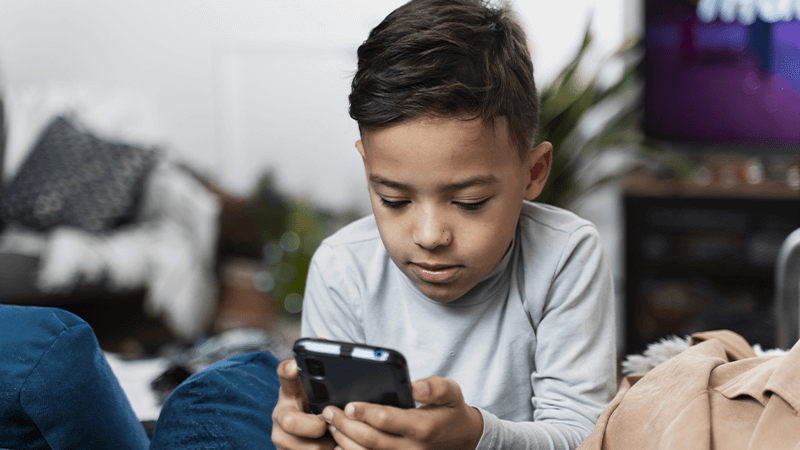
Child Mobile Addiction 2026The Moral for Parents
The smartphone is not a toy; in the hands of a child, it is a high-potency stimulant. In 2026, the most loving thing a parent can give their child isn’t the latest iPhone—it’s the freedom to be bored.
Because in that boredom, the brain finally begins to grow again.
Follow us: https://youtube.com/@thgn_2026?si=RlGfpwS6in8sDh5W